Dukoral is a cholera vaccine you drink rather than have as an injection. To take it, you dissolve the sachet of fizzy granules in a glass of cool water (about 150ml), pour in the vial of vaccine, stir and drink it all within 2 hours. Don’t eat, drink or take other medicines by mouth for 1 hour before and 1 hour after each dose. Adults and children aged 6 and over need 2 doses, at least 1 week and no more than 6 weeks apart, and the last dose must be at least 1 week before you travel.
At Westerhailes Pharmacy in Wester Hailes, Edinburgh, Dukoral costs £40 a dose as part of a travel clinic appointment. This guide explains how to mix it, when to start, who actually needs it and what to do if you miss the second dose.
The short version
- It’s a drink, not a jab. Each dose is a vial of vaccine mixed into a fizzy buffer drink that protects it from stomach acid.
- Adults and children 6 and over: 2 doses, 1 to 6 weeks apart.
- Children aged 2 to under 6: 3 doses, 1 to 6 weeks apart, with half the buffer drink poured away.
- Finish the course at least 1 week before you travel. Protection starts about a week after the last dose.
- Most travellers don’t need it. The NHS says the risk for travellers is very small and the vaccine is usually for aid workers and people going to remote places where cholera is common.
- £40 a dose at Westerhailes. Book a travel appointment or call 0131 275 4660.
How to take Dukoral, step by step
Each pack has two parts: a small glass vial of white vaccine liquid (the suspension) and a sachet of effervescent granules (sodium hydrogen carbonate). The granules make a buffer drink. Cholera vaccine is broken down by stomach acid, and the buffer stops that happening, so the vaccine has to be taken mixed into it.
- Stop eating and drinking 1 hour before. This includes other medicines and other vaccines taken by mouth.
- Dissolve the sachet in about 150ml of cool water. That is roughly a standard glass. Use water only, not juice, milk or fizzy drinks. Tap water is fine.
- For a child aged 2 to under 6, pour away half of the buffer drink so about 75ml is left.
- Shake the vial gently and pour all of it into the buffer drink.
- Stir gently. The mixture should look colourless and slightly cloudy.
- Drink all of it within 2 hours of mixing.
- Wait 1 hour before eating, drinking or taking other medicines.
Keep the vaccine in the fridge (2 to 8°C) until you take it and don’t let it freeze. If you take your second dose home with you, the unopened pack can be kept out of the fridge at up to 25°C for one spell of up to 14 days. After that it should be used or thrown away. If you’re not sure the pack has been stored properly, ask us before you take it.
How many doses, and when to start
The number of doses depends on age. Doses must be at least 1 week apart. If more than 6 weeks pass between doses, the course has to start again from the first dose.
| Age | Doses | Gap between doses | Latest first dose |
|---|---|---|---|
| Adults and children 6 and over | 2 | 1 to 6 weeks | At least 2 weeks before you travel |
| Children 2 to under 6 | 3 | 1 to 6 weeks | At least 3 weeks before you travel |
| Under 2 | Not given | Not applicable | Not applicable |
In every case, the last dose needs to be taken at least 1 week before you could be exposed, because protection takes about a week to build. If your trip is booked, it’s worth starting the course as soon as you know you need it rather than leaving it to the last fortnight. That leaves room if you’re unwell on the day of a dose and need to put it off.
What if I miss the second dose?
If it has been 6 weeks or less since your first dose, you can still take the second one. If it has been longer than 6 weeks, the first dose no longer counts and the course needs to be started again. Speak to a pharmacist before taking it.
Boosters
Protection lasts about 2 years for adults and children 6 and over, and about 6 months for children aged 2 to under 6.
| Age | Time since last dose | What you need |
|---|---|---|
| Adults and children 6 and over | Up to 2 years | 1 booster dose |
| Adults and children 6 and over | More than 2 years | The full 2-dose course again |
| Children 2 to under 6 | Up to 6 months | 1 booster dose |
| Children 2 to under 6 | More than 6 months | The full 3-dose course again |
How well does it work?
Dukoral protects well against cholera for a period, but not completely. In the large trial in Bangladesh described in the product information, protection in adults and older children was 76% in the first year and 60% in the second year. In younger children it fell off much faster, which is why their booster comes after 6 months instead of 2 years.
It only protects against cholera caused by the O1 strain. It doesn’t cover the O139 strain or other causes of travellers’ diarrhoea. Some people have heard that Dukoral prevents general holiday tummy bugs. In the UK it is licensed for cholera only, so it shouldn’t be taken for that reason.
Because no vaccine gives full protection, food and water care still matters on your trip.
Who actually needs a cholera vaccine?
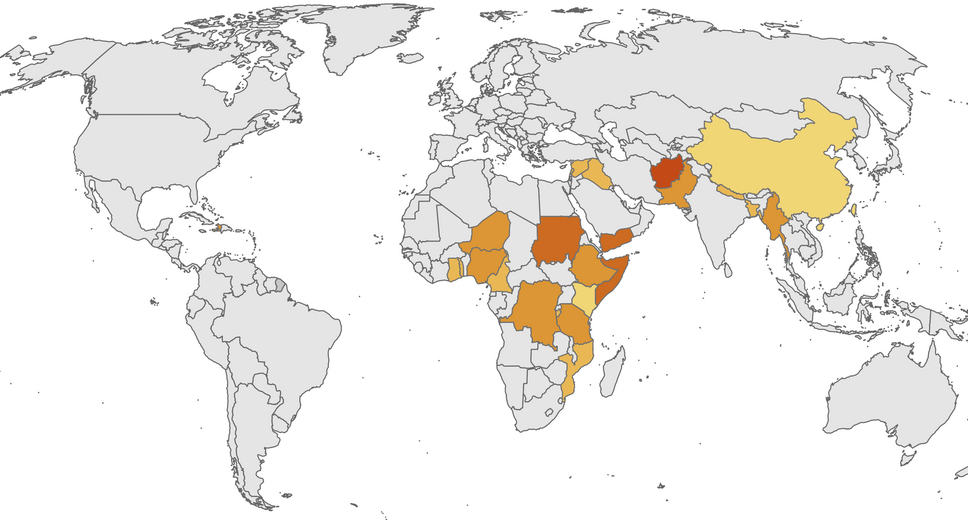
Cholera spreads through water and food contaminated with the bacteria, mainly in parts of Africa and Asia without a clean water supply. It isn’t found in the UK, and the NHS says the risk while travelling is very small. For most holidays, even to countries where cholera is reported, you won’t be advised to have it.
The NHS says it is usually recommended if:
- You’re going somewhere cholera is common and will be visiting remote places far from medical care.
- You’re an aid or disaster relief worker going to an area where an outbreak is likely.
The pharmacist will go through where you’re going, how long you’ll be there and where you’ll be staying, and tell you honestly if you don’t need it.
Some travellers can get the cholera vaccine free on the NHS. The NHS advises asking at your GP surgery first. If your GP doesn’t offer it, or you need it at short notice, you can get it privately at a travel clinic like ours.
Food and water advice still matters
The vaccine is one part of protection. The NHS advice for areas with cholera is:
- Wash your hands often, especially before eating and after using the toilet.
- Drink bottled water, or tap water that has been boiled.
- Brush your teeth with bottled or boiled water.
- Don’t have ice in drinks.
- Only eat fruit and vegetables you have washed in safe water or peeled yourself.
- Avoid shellfish and seafood.
Pack oral rehydration sachets. Cholera causes large amounts of watery diarrhoea, and replacing the lost fluid quickly is the main treatment. If you get severe watery diarrhoea or vomiting during or after a trip to an area with cholera, get urgent medical help and say where you have been.
Side effects
Side effects are uncommon and usually mild. The ones listed most often, affecting up to 1 in 100 people, are:
- Diarrhoea, stomach cramps or pain
- Wind or a gurgling stomach
- Headache
Feeling sick, being sick, a high temperature, dizziness and loss of appetite are rare. Get medical help straight away if you have signs of a serious allergic reaction, such as swelling of the face or throat or difficulty breathing, or severe diarrhoea with a lot of fluid loss.
Who should check with the pharmacist first
Tell the pharmacist at your appointment if any of these apply to you. Some mean the vaccine needs to wait, and some mean it may not work as well.
- You have a high temperature or a stomach upset on the day. The dose should be put off until you’re well.
- You’re pregnant, might be pregnant or are breastfeeding. It can be given after the benefits and risks are weighed up, so it needs a conversation first.
- You have a condition or take treatment that weakens the immune system, including HIV. The vaccine may not give as much protection.
- You have had an allergic reaction to Dukoral or to formaldehyde.
- You’re on a low-salt diet. Each dose contains about 1.1g of sodium from the buffer granules.
- You’re also taking the oral typhoid vaccine. Leave at least 1 hour either side of each Dukoral dose before taking any other vaccine or medicine by mouth. We’ll plan the timing with you if you’re having typhoid capsules too.
Getting Dukoral at Westerhailes Pharmacy
Our travel clinic is at Westside Plaza, Units 27-29, Westerhailes Centre, Edinburgh EH14 2SW. At your appointment the pharmacist will look at where you’re going, how long for and what you’ll be doing, then recommend the vaccines that fit the trip. If cholera vaccine is right for you, you’ll usually take the first dose with us, and we’ll show you how to mix it so you can take the next dose on the right day.
| What | Price at Westerhailes |
|---|---|
| Dukoral, per dose | £40 |
| Adult course (2 doses) | £80 |
| Child course, age 2 to under 6 (3 doses) | £120 |
Many trips that call for cholera vaccine also need hepatitis A and typhoid, which spread in the same way through food and water. Some areas also need rabies or yellow fever cover. You can see every vaccine we offer and its price in our travel clinic price guide. More detail on the vaccine itself is on our cholera vaccine page.
Please check stock with us before your appointment if you’re travelling soon, as a listing on the website doesn’t guarantee the vaccine is in on the day.
Frequently asked questions
Is Dukoral a tablet or a liquid?
It’s a liquid. The vaccine comes as a suspension in a small vial, which you mix into a buffer drink made from a sachet of granules and water. It isn’t swallowed as a tablet or given as an injection.
Can I mix Dukoral with juice or squash?
No. The patient leaflet says to dissolve the granules in cool water and not to use any other liquid.
Can I eat after taking Dukoral?
Wait 1 hour after drinking it before you eat, drink or take other medicines by mouth. Do the same for the hour before.
How long before travel should I take Dukoral?
Adults should take the first dose at least 2 weeks before leaving and the second at least 1 week before. For children aged 2 to under 6, start at least 3 weeks before. Earlier is better if your dates allow.
How long does Dukoral last?
About 2 years for adults and children 6 and over, and about 6 months for children aged 2 to under 6. A single booster within that time keeps you covered.
Does Dukoral stop travellers’ diarrhoea?
In the UK it is licensed to protect against cholera only. It isn’t recommended for preventing general travellers’ diarrhoea.
Can I get Dukoral free on the NHS?
Sometimes. The NHS says you may be able to get it free and suggests asking your GP surgery. If it isn’t available there, you can buy it privately at a travel clinic. It costs £40 a dose at Westerhailes Pharmacy.
Book a travel vaccination appointment
If you’re planning a trip and aren’t sure whether you need Dukoral, book a travel appointment and bring your dates and destinations. You can book online, call us on 0131 275 4660 or send us a message.