You can get the rabies vaccine in Edinburgh at a private travel clinic or a pharmacy with a travel service, including Westerhailes Pharmacy in Wester Hailes. The usual course is 3 injections over 21 to 28 days, so start at least 4 weeks before you travel and ideally get advice about 8 weeks before. At Westerhailes it costs £90 a dose, or £270 for the full course. The NHS says you usually have to pay for it when it’s for travel.
This guide explains who actually needs the rabies vaccine, how the course works, what to do if you’re short on time and what to do if an animal bites or scratches you abroad, whether or not you’ve been vaccinated.
The short version
- 3 injections in the upper arm, usually on days 0, 7 and 21 or 28.
- Start at least 4 weeks before you go. A faster course over 7 days is possible if you’re leaving sooner.
- Not free for travel. The NHS says you usually pay for it at a travel clinic or pharmacy.
- £90 a dose at Westerhailes, £270 for 3 doses. Book a travel appointment or call 0131 275 4660.
- It doesn’t replace treatment after a bite. If you’re bitten or scratched abroad, you still need urgent medical help, even if you’ve been vaccinated.
Do I need a rabies vaccine for my trip?
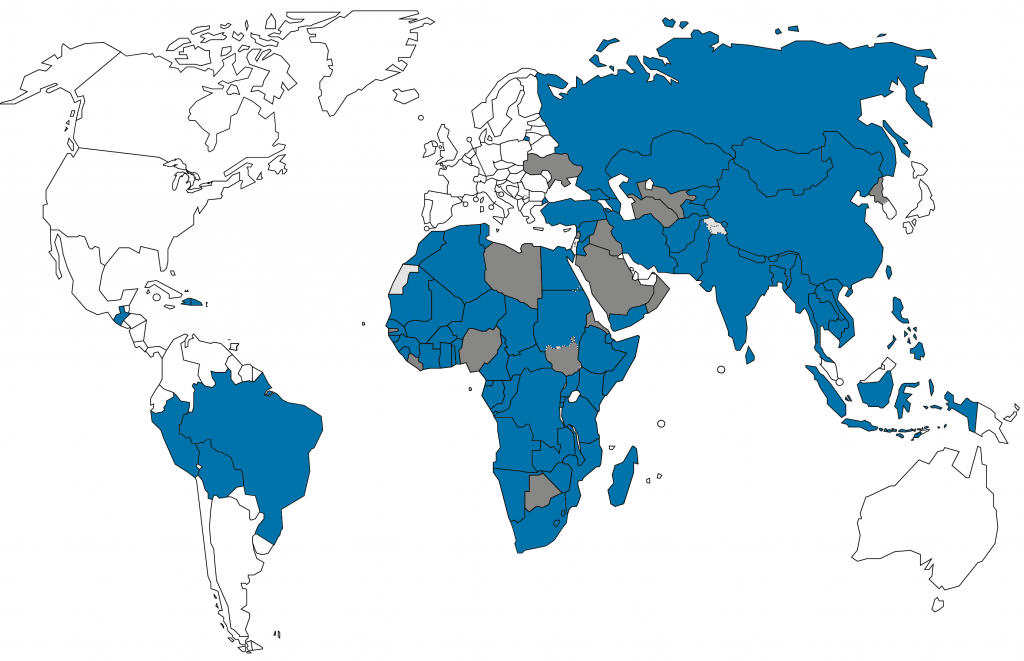
Rabies is found in many parts of the world, and more than 95% of human cases are in Africa and Asia. It’s also found in Central and South America. Most cases come from dog bites, but cats, monkeys, bats and other mammals can pass it on through a bite, a scratch or a lick on broken skin.
Not everyone travelling to those areas needs the vaccine. UK travel health guidance (TravelHealthPro) says it’s most worth having if you:
- Are staying more than a month, or travel to risky areas often.
- Will be far from medical care, where rabies treatment after a bite could be hard to get quickly.
- Plan to cycle, run or trek, as dogs are more likely to chase and bite.
- Will work with animals or as a health worker in an area where rabies is common.
Children are also at higher risk, because they’re more likely to touch animals and less likely to tell you about a small bite or scratch.
At your appointment, the pharmacist will look at where you’re going, how long for and what you’ll be doing. If the risk is low, we’ll tell you that honestly.
How the rabies vaccine course works
The vaccine is an injection into the muscle of the upper arm. The brands we use are Verorab and Rabipur. Both are inactivated vaccines, which means they can’t give you rabies.
| Course | Doses given on | When to use it |
|---|---|---|
| Standard | Days 0, 7 and 28 | The preferred course when there’s time |
| Standard, shorter | Days 0, 7 and 21 | When there isn’t time to wait until day 28 |
| Accelerated (Rabipur) | Days 0, 3 and 7, plus a dose at 1 year if you keep travelling to high-risk areas | When there are less than 3 weeks before you leave |
The NHS advises getting travel health advice around 8 weeks before you go, because some vaccines, including rabies, need several weeks to complete. If your trip is booked for sooner than that, call us anyway. We’ll tell you what can be done in the time you have.
Do I need a rabies booster?
Most travellers don’t. The NHS says a one-off booster may be recommended if you’re travelling again to a place where rabies is a risk and it’s been more than 1 year since your first course. The pharmacist will check your records and advise.
What to do if an animal bites or scratches you abroad
This is the most important part of this guide. Rabies can’t be treated once symptoms start, and it’s almost always fatal by then. Treatment straight after a bite works very well, so act fast even if the wound looks minor.
- Wash the wound straight away. Hold it under running water for several minutes, then wash it thoroughly with soap and water.
- Clean it with an antiseptic if you have one, such as an alcohol wipe or iodine, and cover it with a loose dressing.
- Get medical help the same day. Don’t wait until you’re home. Go to a local clinic or hospital and tell your travel insurer.
- Tell your GP when you get back to the UK if you had treatment abroad, and bring any paperwork you were given.
This applies to bites and scratches from dogs, cats, monkeys, bats and any other mammal, and to licks on broken skin or saliva getting into the eyes, nose or mouth. In the UK, rabies is only found in some bats, so a bat bite or scratch here also needs urgent medical help.
Why the vaccine still matters after a bite
Being vaccinated before you travel doesn’t mean you can skip treatment. It changes what treatment you need. If you’ve had a full course, you’ll usually need 2 more doses of vaccine after a bite and won’t need rabies immunoglobulin.
If you haven’t been vaccinated, you’ll need a full course of vaccine after the bite and usually rabies immunoglobulin as well. Immunoglobulin is a blood product that is often in short supply in the places where rabies is most common, so you may have to travel to a city or another country to get it. That delay is the main reason people at higher risk are advised to have the vaccine before they go.
Symptoms of rabies
Symptoms usually appear 3 to 12 weeks after a bite, but it can be a few days or several years. They include:
- Tingling or numbness where you were bitten or scratched
- Feeling very anxious or agitated
- Seeing things that aren’t there
- Difficulty swallowing or breathing
- Being unable to move parts of the body
Because there’s no cure once these start, don’t wait for symptoms after a possible exposure. Get help as soon as it happens.
Side effects of the rabies vaccine
Side effects are usually mild and pass in a day or two. The most common are:
- Pain, redness, swelling or itching where the injection was given
- A headache
- A high temperature
- Feeling sick or being sick
- A raised, itchy rash
Serious allergic reactions are very rare. You can’t have the vaccine if you’ve had a serious allergic reaction (anaphylaxis) to an earlier dose or to anything in it. Some rabies vaccines contain traces of egg protein or antibiotics, so tell us about any allergies at your appointment.
Who should check with the pharmacist first
- You’re unwell with a high temperature on the day. The dose may need to wait until you’re better.
- You’re pregnant or breastfeeding. It can still be given when the risk is high, so it needs a conversation first.
- You have a weakened immune system because of a condition or treatment. You may need a different course, or extra checks after it.
- You’ve had rabies vaccine before. Bring your records so we can work out whether you need a booster or a new course.
Rabies vaccine prices at Westerhailes Pharmacy
| What | Price at Westerhailes |
|---|---|
| Rabies vaccine, per dose | £90 |
| Full course (3 doses) | £270 |
Our travel clinic is at Westside Plaza, Units 27-29, Westerhailes Centre, Edinburgh EH14 2SW, with easy access from Sighthill, Calders, Clovenstone, Baberton and the rest of south west Edinburgh. You’ll see the pharmacist for every dose, and we’ll book your next dates before you leave so the course stays on track.
Trips that need rabies cover often need other vaccines too. Hepatitis A and typhoid are common for the same destinations, and some trips need cholera or yellow fever. If you’re walking or camping in wooded parts of Europe, ask about tick-borne encephalitis. Every vaccine and price is in our travel clinic price guide, and more detail is on our rabies vaccine page.
Please check stock with us before your appointment if you’re travelling soon, as a listing on the website doesn’t guarantee the vaccine is in on the day.
Frequently asked questions
How much is the rabies vaccine in Edinburgh?
At Westerhailes Pharmacy it’s £90 a dose, so £270 for the usual 3-dose course. Prices at other travel clinics vary, so compare the full course price, not just one dose.
Can I get the rabies vaccine free on the NHS?
Not for travel. The NHS says you usually have to pay for it. People at risk through their work should speak to their employer, and people who regularly handle wild bats as volunteers may be able to get it free through their GP.
How long before travel should I get the rabies vaccine?
Ideally get advice 8 weeks before you go. The standard course takes 21 to 28 days, so start at least 4 weeks before you leave. A faster course over 7 days is possible if you’re short on time.
How many rabies jabs do I need?
Most people need 3 injections. The accelerated course is also 3 injections, with a fourth at 1 year if you’ll keep travelling to high-risk areas.
How long does the rabies vaccine last?
Most travellers don’t need routine boosters. If you’re going back to a high-risk area more than a year after your course, a single booster may be recommended after a check with the pharmacist.
If I’ve had the vaccine, do I still need treatment after a bite?
Yes. You still need urgent medical help and usually 2 more doses of vaccine. The difference is that you won’t usually need rabies immunoglobulin, which can be hard to find abroad.
Can I get the rabies vaccine at a pharmacy?
Yes. The NHS lists pharmacies with travel health services as one of the places you can get it. Westerhailes Pharmacy offers it in our travel clinic in Wester Hailes, Edinburgh.
Book your rabies vaccine in Edinburgh
If you’re planning a trip and aren’t sure whether you need the rabies vaccine, book a travel appointment and bring your dates, destinations and any vaccination records. You can book online, call us on 0131 275 4660 or send us a message.